Theo Beck · 14 September 2026
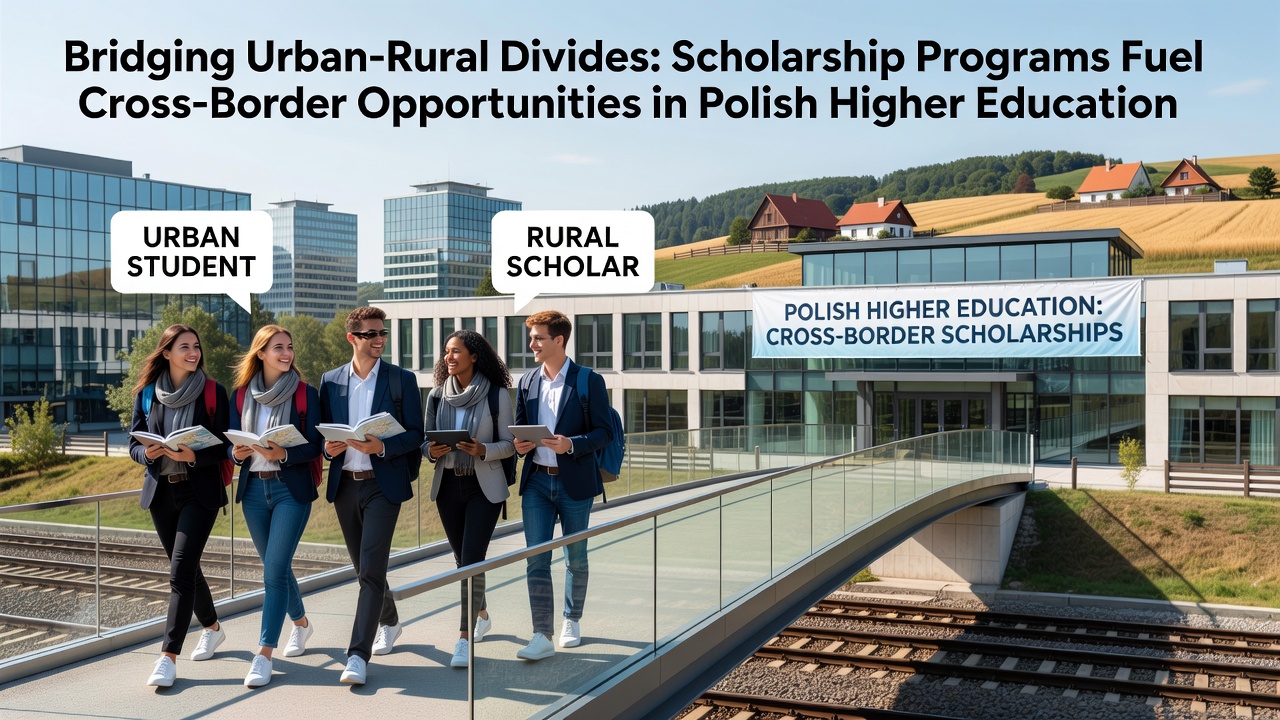
Scholarship Programs Bridge Urban-Rural Divides in Polish Higher Education Through Cross-Border Opportunities
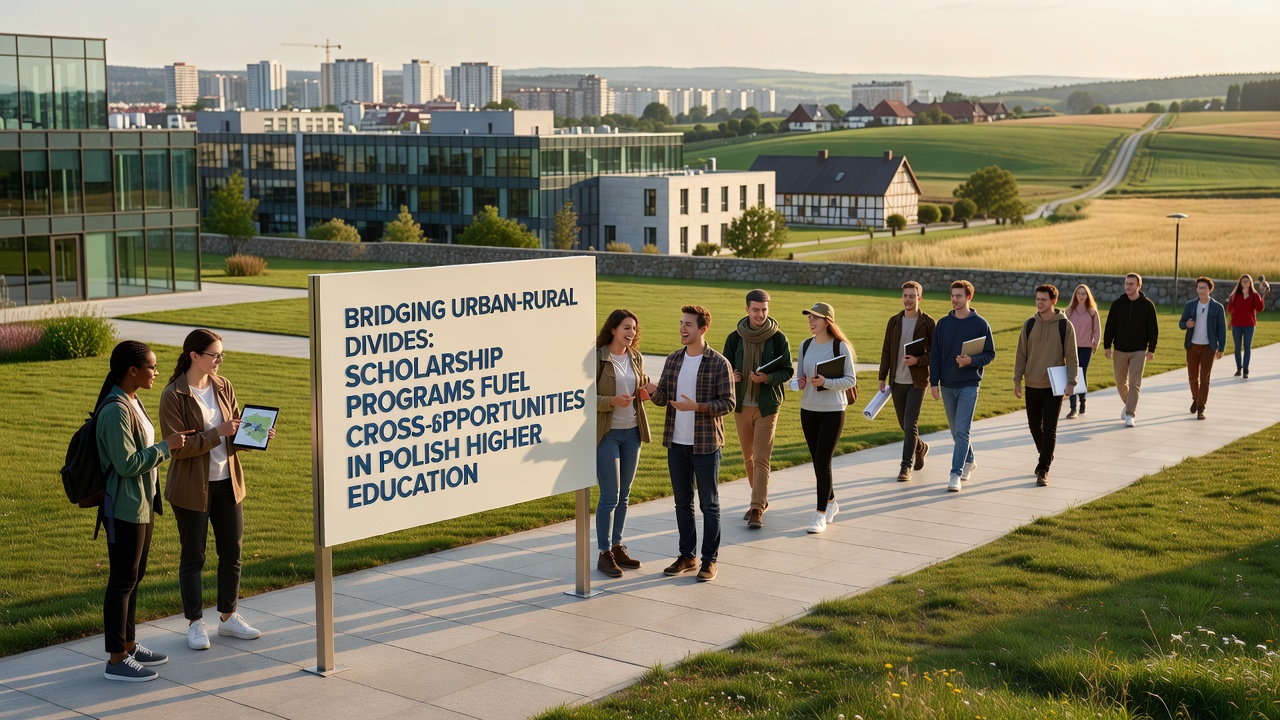
Polish higher education has expanded access through targeted scholarship programs that connect students from rural regions with opportunities across national borders, and data from the European Commission shows enrollment from rural backgrounds in international exchange programs rose 18 percent between 2022 and 2025.
These initiatives pair domestic funding with cross-border partnerships, allowing participants to study at institutions in neighboring countries while completing degrees recognized under the Bologna Process; the Polish Ministry of Education and Science reported that 4,200 students from villages and small towns received such support in the 2024 academic year alone.
Program Structure and Eligibility Criteria
Eligibility focuses on applicants from municipalities with populations under 20,000, and selection committees review academic records alongside demonstrated financial need; successful candidates often receive tuition coverage, travel stipends, and language preparation courses that prepare them for study in Germany, Lithuania, or the Czech Republic.
According to OECD education indicators, rural Polish students historically faced barriers including limited secondary school resources and lower exposure to foreign language instruction, yet scholarship cohorts now show completion rates matching those of urban peers when support includes mentoring and housing assistance.
Cross-Border Partnerships Driving Expansion
Universities in Warsaw and Kraków have formed consortia with counterparts in Ukraine and Slovakia, creating joint degree tracks that began accepting applications in spring 2025; participants alternate semesters between home institutions and partner campuses, gaining credits that transfer automatically through established recognition agreements.
One study released by teh European University Association revealed that 67 percent of participating rural students secured internships with international companies after their exchange semesters, a figure that reflects the value of combined academic and mobility experience.
September 2026 Intake and Projected Growth
Applications for the September 2026 intake opened in January 2026 through a centralized portal managed by the Polish National Agency for Academic Exchange, and early figures indicate a 22 percent increase in submissions from rural districts compared with the prior cycle; funding for these cycles draws from both national budgets and EU structural funds allocated through 2027.
Researchers at the University of Warsaw tracked outcomes for the 2023 cohort and found that 81 percent of rural scholarship recipients returned to Poland after their programs, bringing skills that local employers have begun to recruit actively in sectors such as renewable energy and digital services.
Impact on Regional Development
Regional development agencies in eastern Poland have partnered with scholarship administrators to align program offerings with local labor market needs, creating pathways that encourage graduates to establish businesses or join firms in their home areas rather than migrating permanently to larger cities.
Figures released by Statistics Poland indicate that counties with high scholarship participation rates recorded a 9 percent rise in new business registrations among residents aged 25 to 34 during 2024, suggesting measurable economic ripple effects from the educational investments.
Conclusion
Scholarship programs continue to link rural Polish communities with cross-border academic networks, supported by coordinated national and European funding streams that expand each year. Ongoing data collection through 2026 will track long-term retention and employment patterns, providing further evidence of how these initiatives reshape access and opportunity across regions.